
CETD Annual Meeting
Cross cutting research in the field of tropic health to guide public health policy.



Cross cutting research in the field of tropic health to guide public health policy.
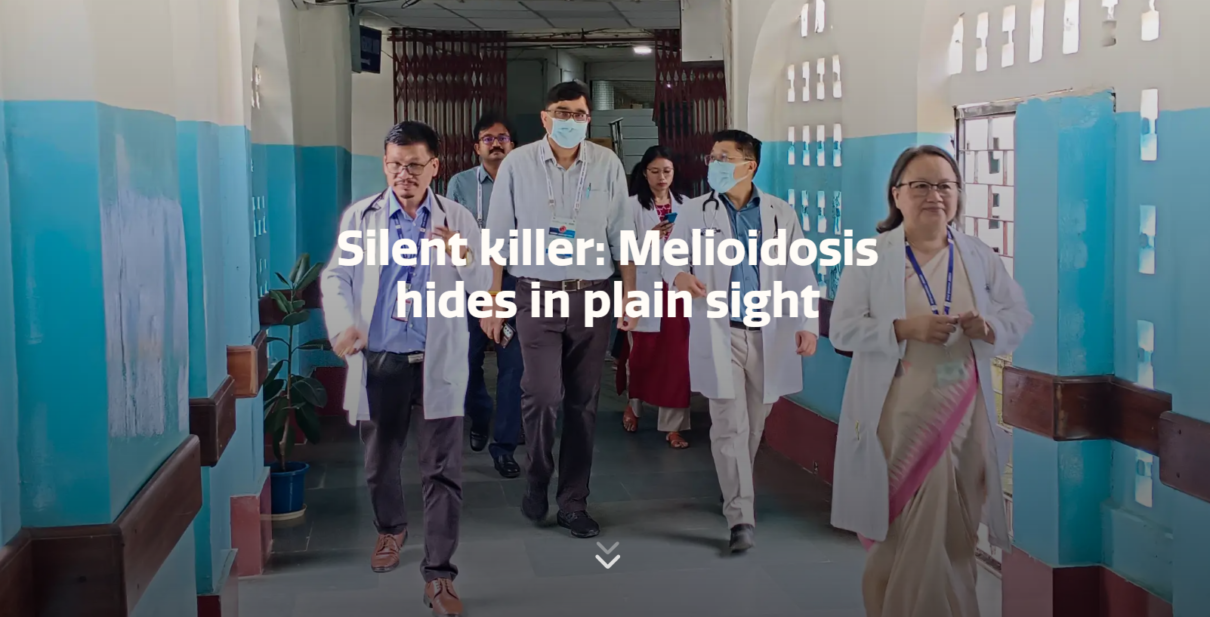
Imagine a disease that is deadly, misunderstood, and almost forgotten by history. This is the story of melioidosis, also known as Whitmore’s disease, a tropical illness discovered over a century ago but still battling for recognition today. Alfred Whitmore, a
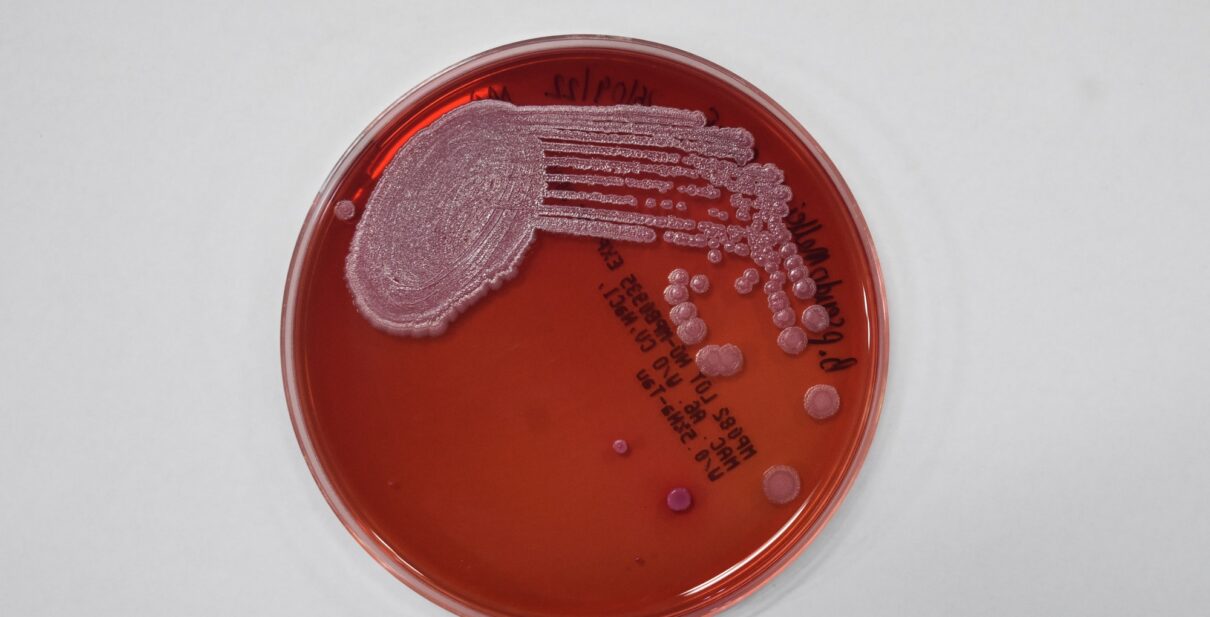
Melioidosis is a potentially fatal infectious disease caused by Burkholderia pseudomallei, a saprophytic Gram-negative bacteria found majorly in soil. The increasing number of melioidosis cases suggest an emerging trend but a seemingly neglected nature of the disease, especially in India.
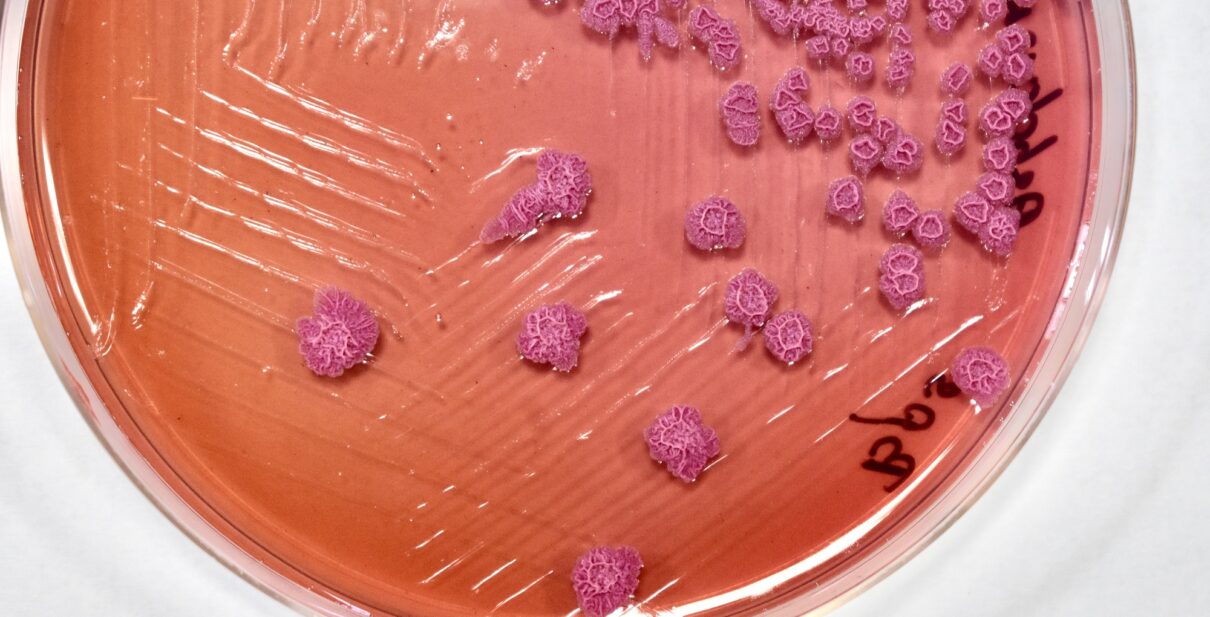
Q.1. Which parts of the world the disease is prevalent?Melioidosis is predominately a disease of tropical climates, prevalent especially in Southeast Asia and northern Australia. Q.2. What is the causative agent?It is caused by the bacterial soil saprophyte B. pseudomallei,